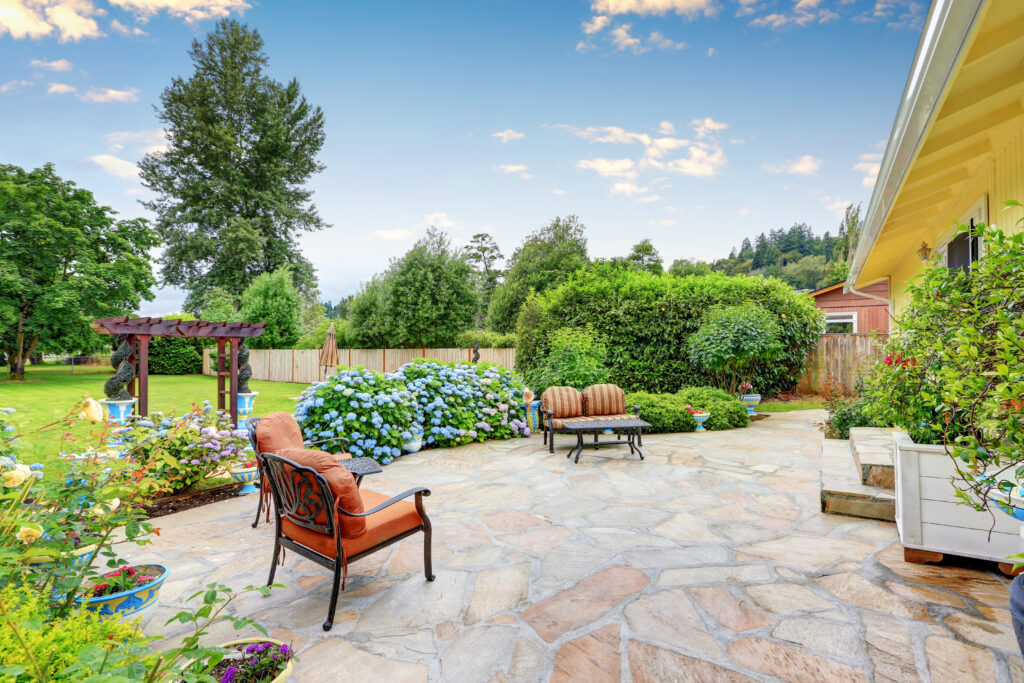
Atlanta homeowners know that pollen season can affect nearly every part of outdoor living. A backyard that looks inviting in theory can quickly become frustrating if every surface turns yellow, furniture needs constant cleaning, and the overall layout makes upkeep more difficult than it should be. That is why pollen is not just a seasonal annoyance in Metro Atlanta. It is a real design consideration. A backyard that holds up well during pollen season is one that has been planned with local conditions in mind, not just aesthetics.
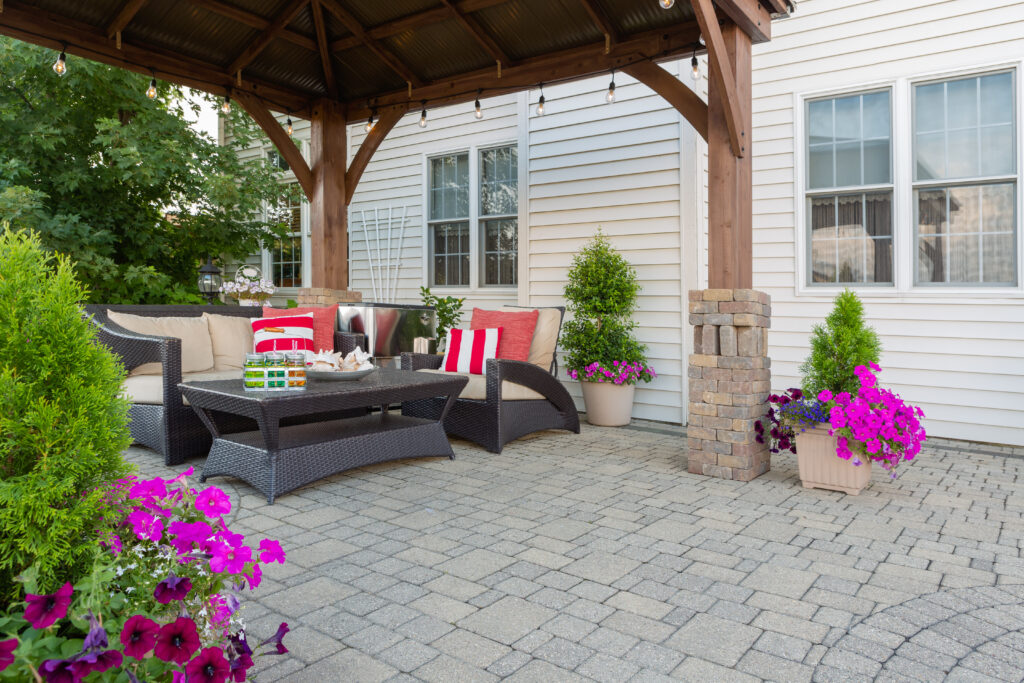
One of the most effective ways to make a backyard more resilient during pollen season is to create a stronger balance between hardscaping and landscape areas. Patios, walkways, seating zones, and other hardscape elements tend to be easier to clean and easier to maintain than broad stretches of lawn or heavily planted areas directly surrounding outdoor living spaces. When the main entertaining areas are built with practical surfaces and intentional spacing, homeowners spend less time fighting buildup and more time actually using the space.
Material selection also plays a major role in how a backyard performs during pollen season. Some surfaces are easier to rinse, sweep, or maintain than others, especially around patios, outdoor kitchens, and seating areas. A well-designed outdoor space should not require constant effort just to remain usable. That does not mean the backyard has to feel plain or overly minimal. It simply means the finished design should account for how surfaces will look and perform under real spring conditions in Atlanta, where pollen accumulation is part of the environment.
Layout is another major factor. Outdoor spaces that trap debris in tight corners or awkward transitions are harder to keep clean than spaces with clear circulation and open flow. When a backyard is designed thoughtfully, there is a natural relationship between where people walk, where they gather, and where debris tends to collect. Cleanable edges, practical access to surfaces, and a layout that does not create unnecessary maintenance trouble can make a significant difference during the weeks when pollen levels are at their worst.
Covered and partially covered areas are especially valuable in Metro Atlanta because they provide some protection for the parts of the backyard homeowners use most. A covered porch, pavilion, or pergola can reduce how much pollen settles directly onto dining tables, seating cushions, and key entertaining surfaces. It also makes the yard more comfortable beyond pollen season by improving shade and usability throughout the warmer months. In many cases, adding structure to the space does more than improve appearance. It helps the entire backyard function better.
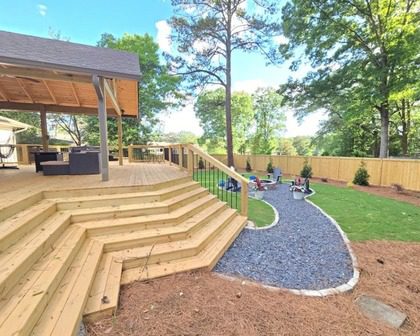
Plant placement matters as well. Homeowners often focus on making the landscape look lush and full, but if dense plantings are positioned too tightly around patios, doors, or seating areas, the result can be a backyard that feels more enclosed and more difficult to maintain during spring. A stronger approach is to think carefully about transitions between planted areas and living areas, allowing enough breathing room for both appearance and function. Strategic planting can still provide softness, privacy, and beauty without working against the practical use of the space.
The most successful backyard designs in Atlanta are the ones that respond to local life rather than ignoring it. Pollen season is a predictable part of living in this area, and that means homeowners benefit most from spaces that are designed to remain usable, attractive, and manageable through it. A yard that is easy to rinse down, comfortable to sit in, and not overly dependent on high-maintenance layouts will always be more enjoyable than one that requires constant effort to keep up.
At Southern Outdoor Design, we create outdoor spaces for the way Metro Atlanta homeowners actually live. That means thinking beyond a photo-ready design and planning for comfort, maintenance, performance, and long-term enjoyment. Whether you are updating a patio, building a covered structure, reworking your layout, or planning a complete backyard renovation, we help create spaces that look polished and function beautifully in real Atlanta conditions.
Contact Southern Outdoor Design to create a backyard that stays beautiful, functional, and easier to maintain during Atlanta pollen season and beyond.
FAQs
Q: Why should pollen season affect backyard design in Atlanta?
A: Pollen season is significant in Metro Atlanta, and it can make outdoor spaces harder to enjoy if they are not designed thoughtfully. The right layout, materials, and structure choices can reduce maintenance and improve usability.
Q: What backyard features help most during pollen season?
A: Patios, walkways, covered areas, and practical hardscaping usually help the most because they are easier to clean and tend to perform better than overly dense or high-maintenance layouts.
Q: Does a covered porch or pergola help with pollen?
A: Yes. Covered and partially covered areas can reduce how much pollen settles directly on furniture and entertaining surfaces, which can make those spaces more comfortable and easier to use.
Q: Should I avoid plants altogether if I want a low-maintenance backyard?
A: No. The goal is not to eliminate plants, but to place them strategically and use them as part of a balanced design that supports both beauty and function.
Q:What materials are easier to maintain during pollen season?
A:Generally, smooth, durable outdoor surfaces that can be rinsed or swept easily tend to be more practical around patios, seating areas, and kitchens.
Q: Can Southern Outdoor Design help redesign an existing backyard to make it easier to maintain?
A: Yes. Southern Outdoor Design can evaluate your current layout and create a more functional outdoor plan that improves comfort, appearance, and long-term ease of maintenance.